
tanda — Salsa Collective Lead Intake
AI-powered Gmail inbox that never loses a lead
A salsa studio takes class, private-lesson, and event inquiries through their Gmail inbox. Messages slip between threads, replies stall, and there is no shared record of who owes a customer what — the community pays the price.
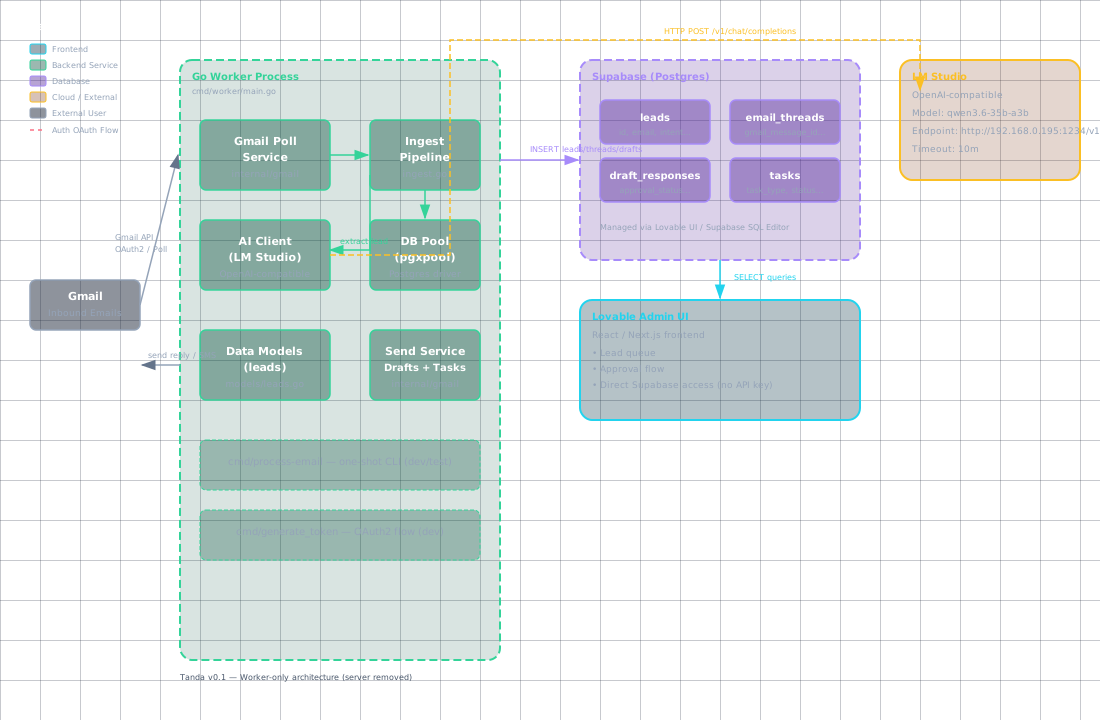
- 01Go worker polls the studio Gmail inbox (webhook later) and dedupes by gmail_message_id.
- 02Each new message is parsed by a local LLM (LM Studio, OpenAI-compatible API) into structured lead fields: intent, style, level, confidence.
- 03Transactional write to Postgres: leads, email_threads, and a draft_responses row with approval_status=pending.
- 04Lovable admin UI talks only to Supabase — list/filter leads, edit drafts, approve, assign tasks. The worker never exposes an HTTP API.
- 05On approval, the worker sends the reply via Gmail and stamps sent_at; task assignee notifications work the same way.
Every inbound email becomes a triaged lead with a pre-written reply in seconds. No customer mail is ever sent without a human approving it in Lovable, and the worker runs on a Mac or small VM with no inbound ports.
Lead data is personal. LM Studio on the LAN keeps inference on-prem, removes a recurring cost line, and lets the studio swap models freely.
Lovable talks to Supabase directly with the JS client. Skipping a worker API removes an auth surface, a deploy target, and an entire class of integration bugs.
Auto-send is a one-way door with customers. Drafts always land as approval_status=pending so a human is in the loop before anything leaves the studio inbox.